B2B TECHNOLOGY & SaaS
Marketing Samples
Innovative, Scalable and Easy to Implement
is also a
Horribly Boring Story.
B2B tech is a category that's crowded and noisy as hell. Every company claims generic things like the characteristics above as if they're the ONLY ones.
Your potential buyers call BS on that because they've heard it all before.
That might explain why you have:
- A blog nobody reads
- Social media that only gets updated when someone remembers
- A founder with a genuine point of view on the industry that's never been turned into a platform
Let's talk about what actually MOVES them:
A clear, specific story about the problem you solve, the people you solve it for and why you're the right team to solve it.
It comes from an approach to branding and content that makes your company appear distinct, credible and worth a strong look to buyers, partners and the talent you're trying to recruit. And with every B2B tech firm, SaaS company and platform within 2,000 miles of Chicago saying the same thing, your brand is the only differentiator that can't be copied.
That's where Caliber comes in.
Who we work with
- B2B tech services firms that focus on app development and IT consulting
- Vertical SaaS companies that have defined buyers and high switching costs
- HR & recruiting technology platforms serving talent acquisition and workforce management
Having accumulated up to $20 million in revenue, you may be years, even decades, past survival mode. You've built something that solves a real problem, has customers who love it, has a sales team that's closing and an exciting product roadmap.
So what's the serious problem?
Your content presence hasn't kept pace with the rest of your business and needs to work a lot harder.
What we actually deliver
- Authority status in your category
- Buyer trust before the first real contact
- The right content strategy that maps to your buyer's journey, is built around the decision-maker (s) and gathers what they need to hear to trust you with it.
- Crystal-clear positioning and messaging that make your "why us" answer feel fresh and different compared to everyone else in the market. Not to mention distinct to each audience you're targeting.
- Founder thought leadership with an entire platform built around your point of view - content across a variety of channels and a voice that compounds over time.
What this can look like
Blog and LinkedIn content: Stories about real outcomes that speak directly to the business problems your best prospects are trying to solve.
Restructured website pages: A home base that better reflects who you are and who you are for (as well as who you are not and not for).
Sales materials: Speaking more concretely to the language of your buyer's specific problem and outcome.
Strategy Sprint: A focused 90-day engagement to result in a more evolved brand message for new prospects you need to have on all your major online entities.
B2B TECHNOLOGY & SaaS BUSINESSES
WE'VE WORKED WITH

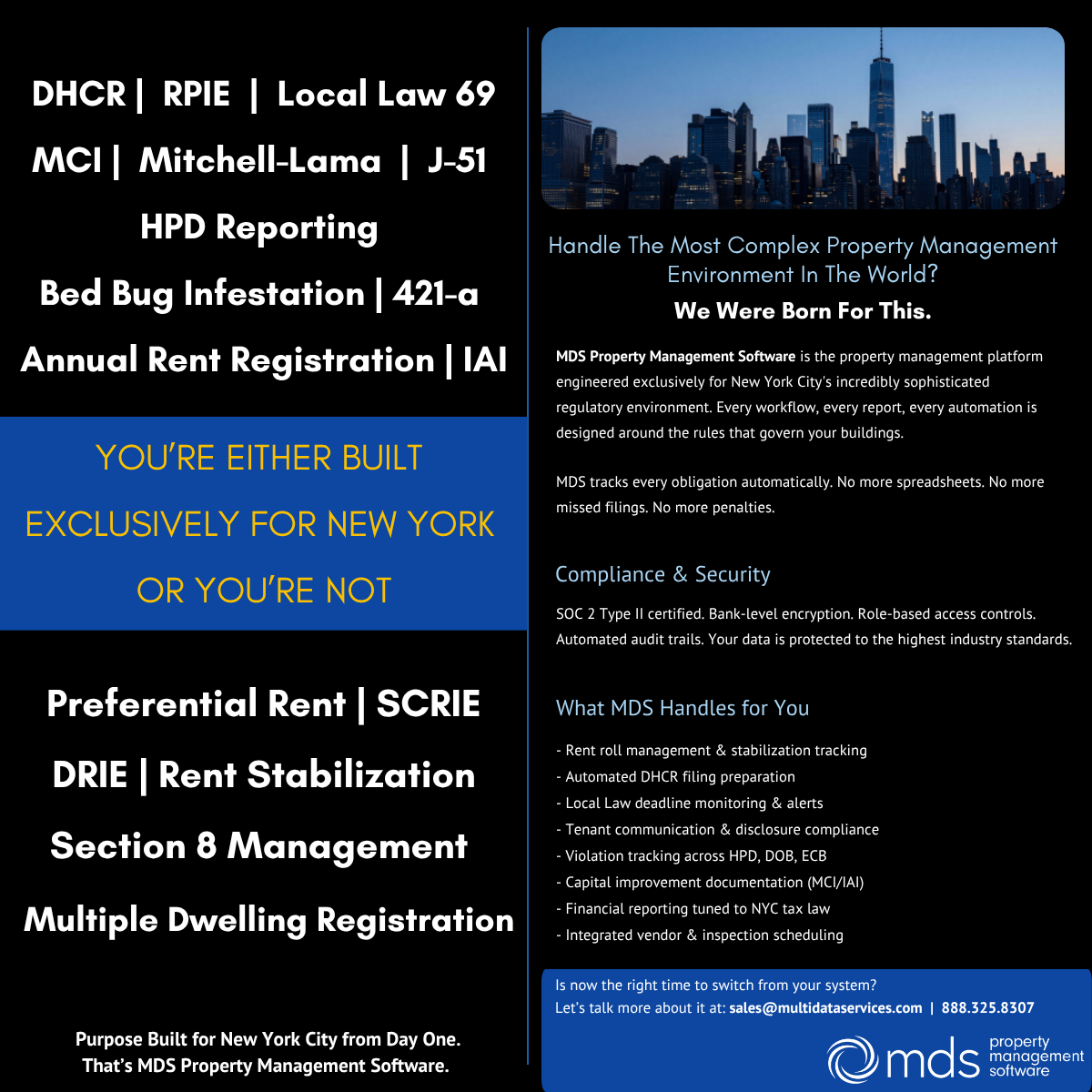
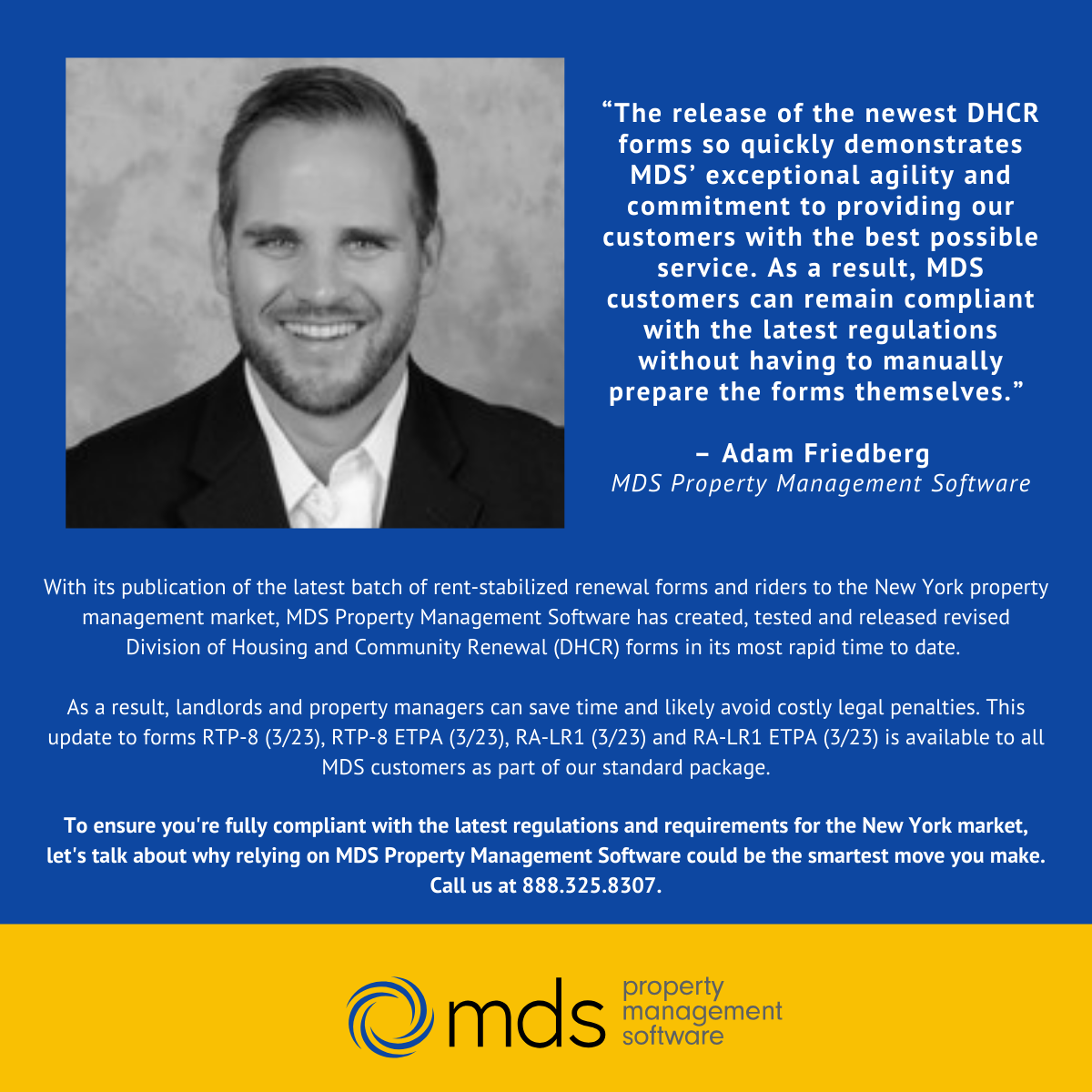
Property management software is a crowded market, plus the biggest names have deep pockets and broad reach.
However, when you're up against national platforms with generic answers, the sharpest play is going deep on what only you can speak to.
Fortunately, MDS Property Management Software has something none of them can claim: 40 years of being built specifically for the New York real estate market, with thousands of NYC buildings running on their platform.
So the problem wasn't the product. It was that the content wasn't doing nearly enough to tell that story - or to help property managers in one of the country's most regulated real estate environments understand why that distinction actually mattered to them.
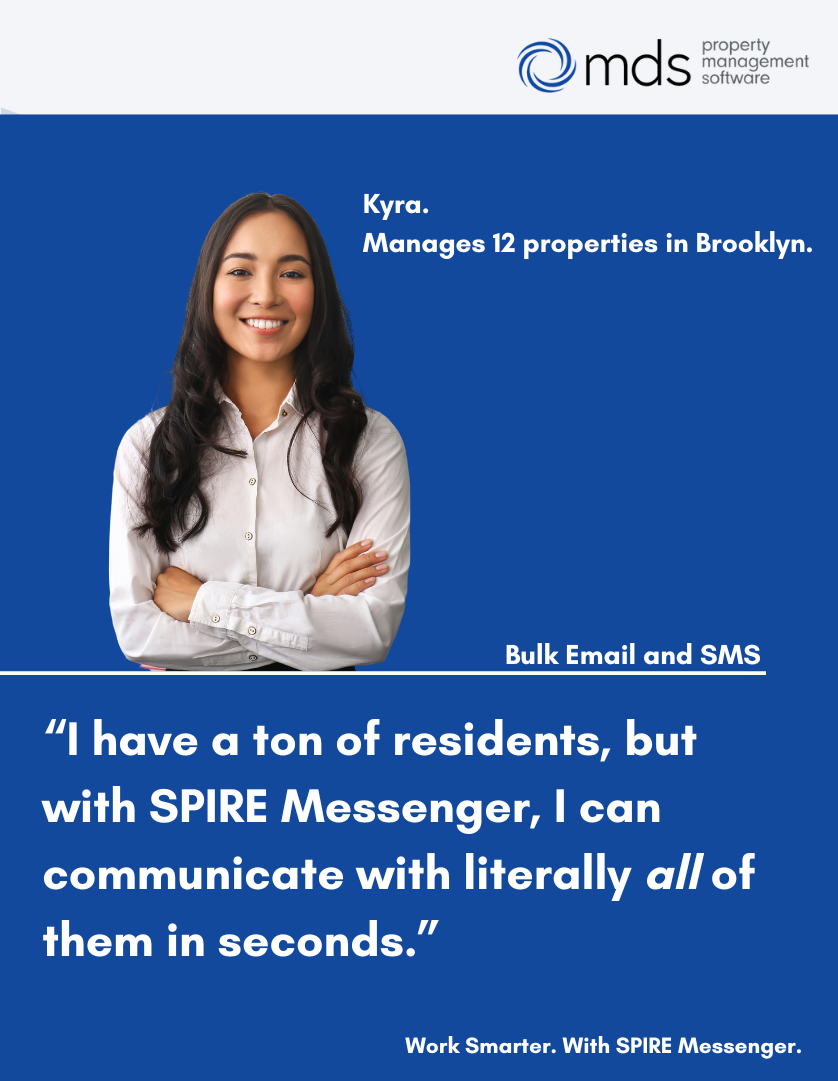
Our work with MDS has spanned blog posts, videos, sales support materials, email marketing and social media - all of it anchored to the same core idea: lean into the NYC-specific expertise that no national competitor can replicate.
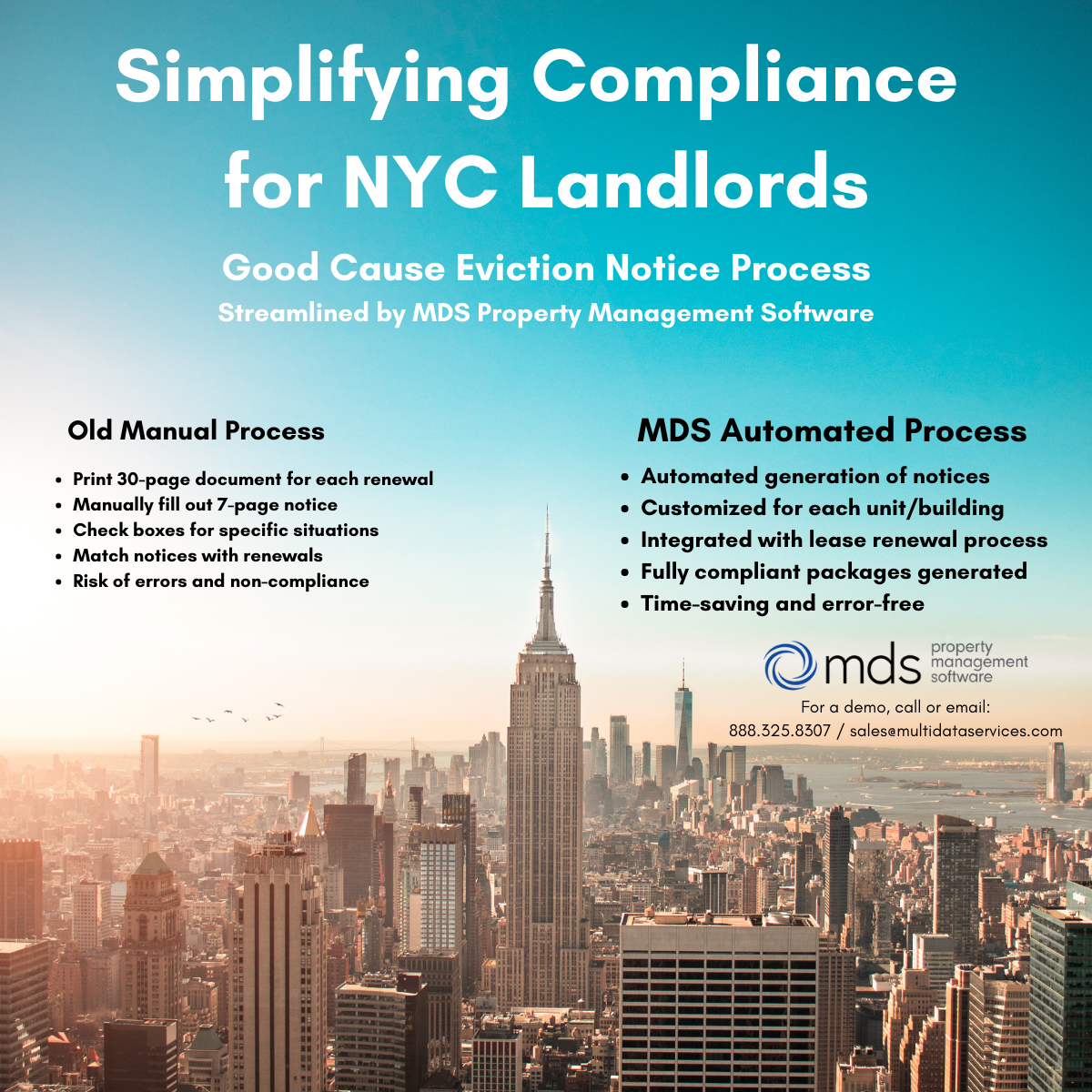
That meant content covering the regulatory complexity that local landlords live with every day, from DHCR compliance and rent stabilization to Good Cause Eviction rules and the reporting that NYC property owners and their investors actually need to see.
The goal was to reframe MDS from a software vendor into the obvious choice for anyone managing property in New York - a partner that not only knows the market but has been inside it longer than many of their competitors have existed.
SAMPLES OF WORK




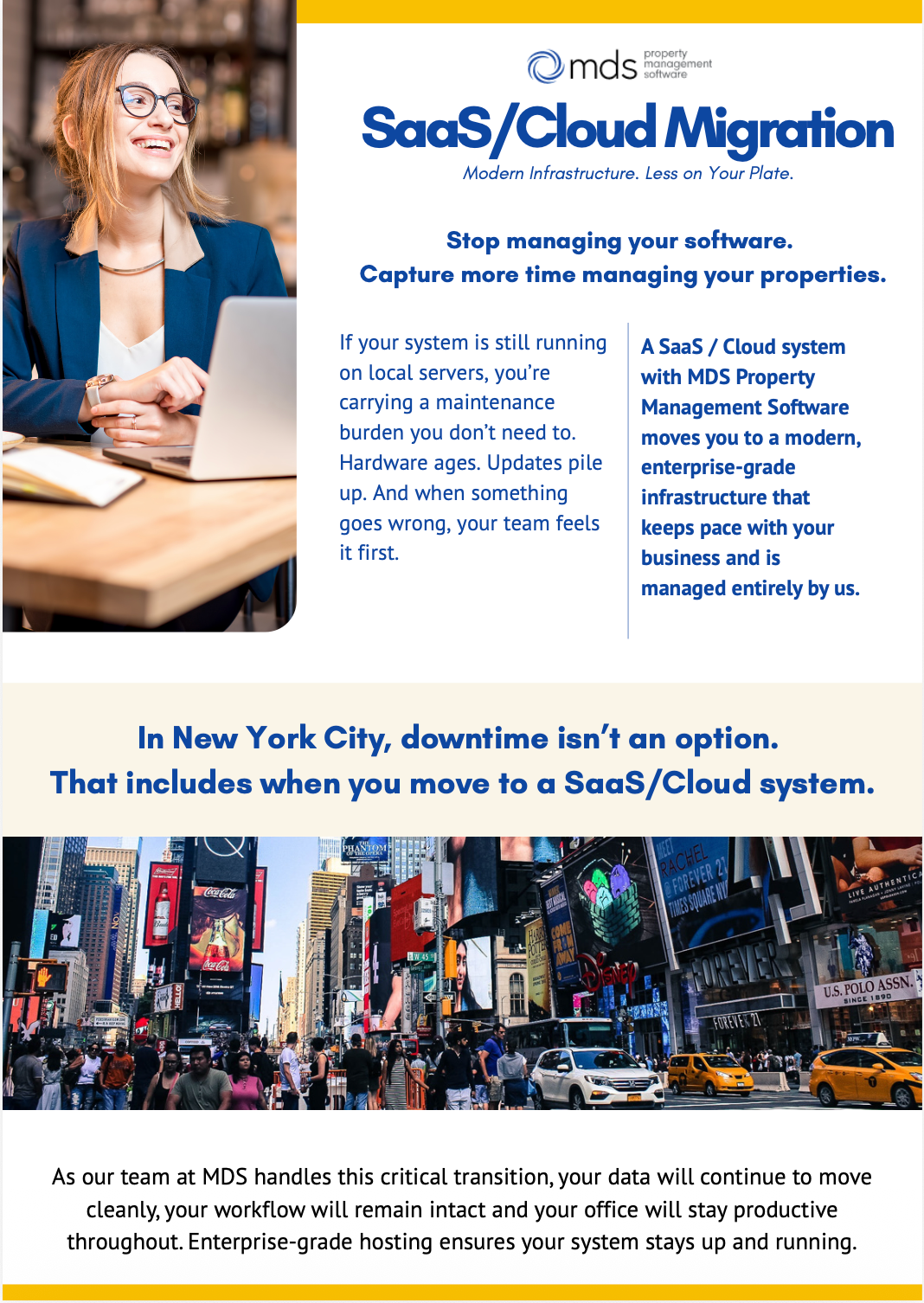

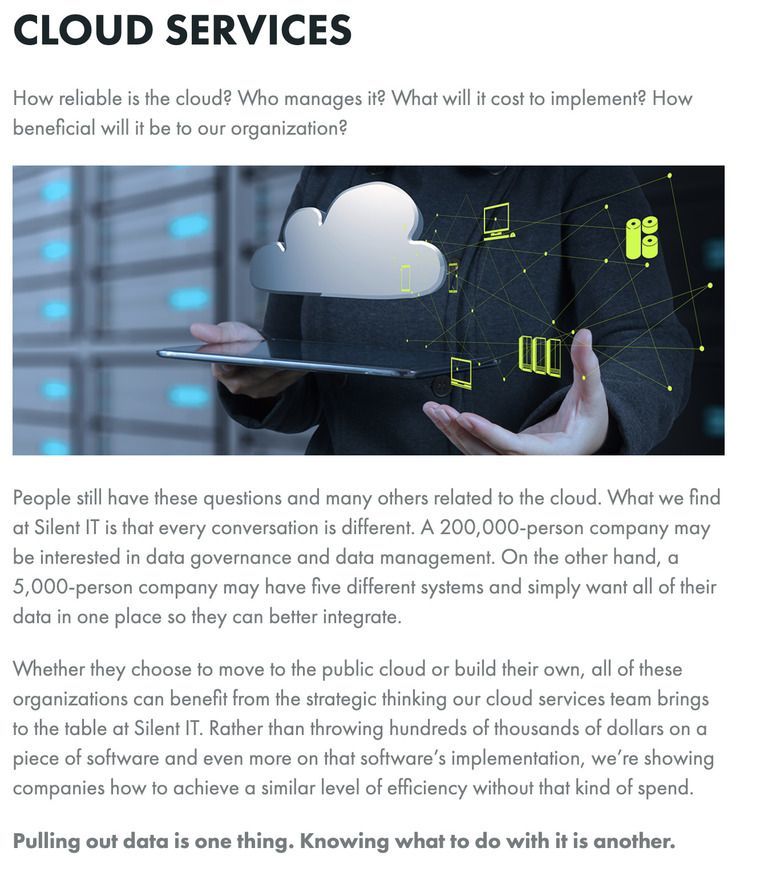
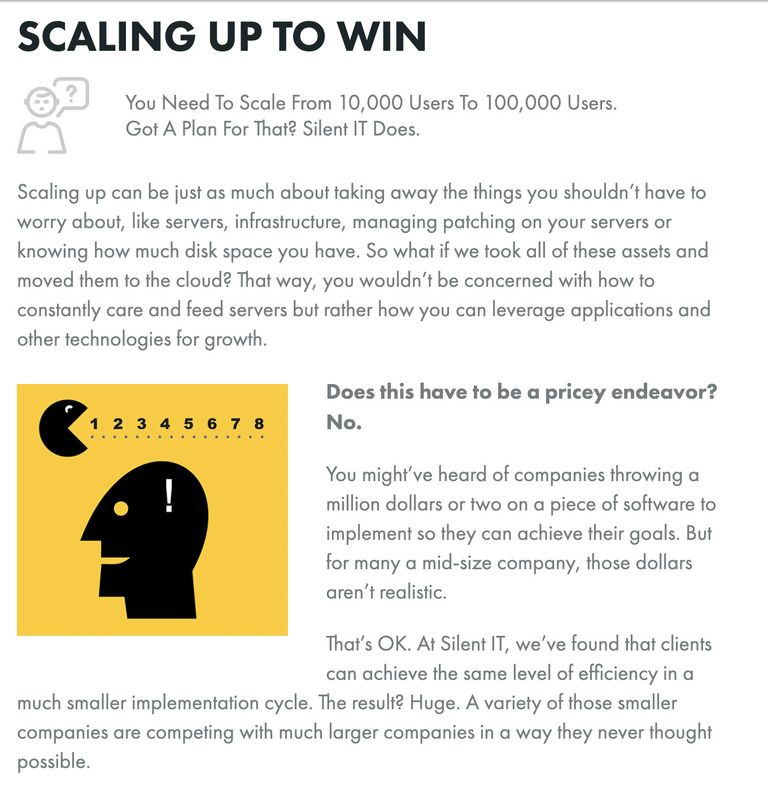
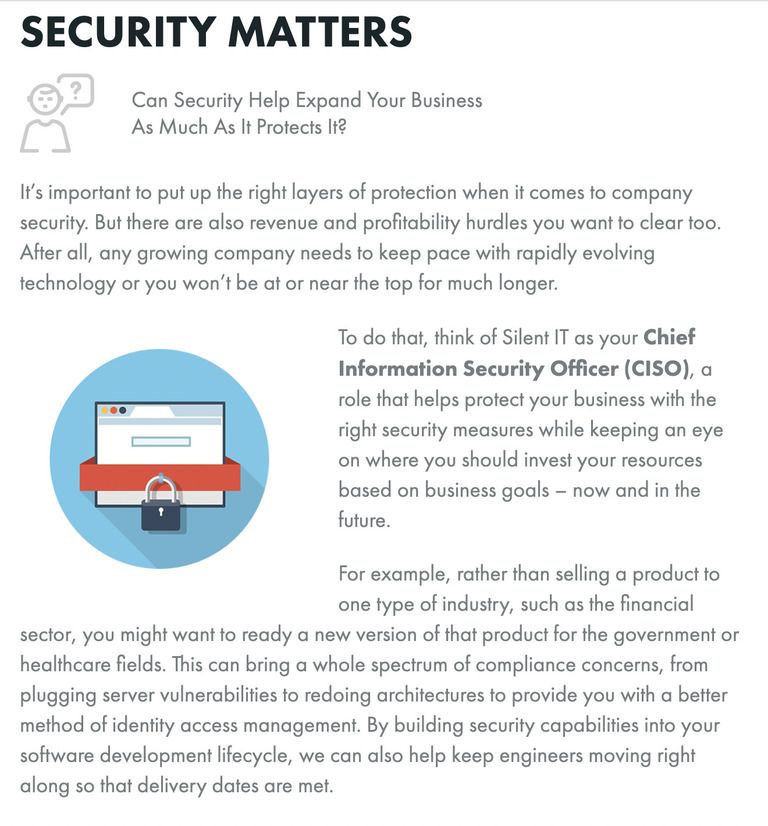
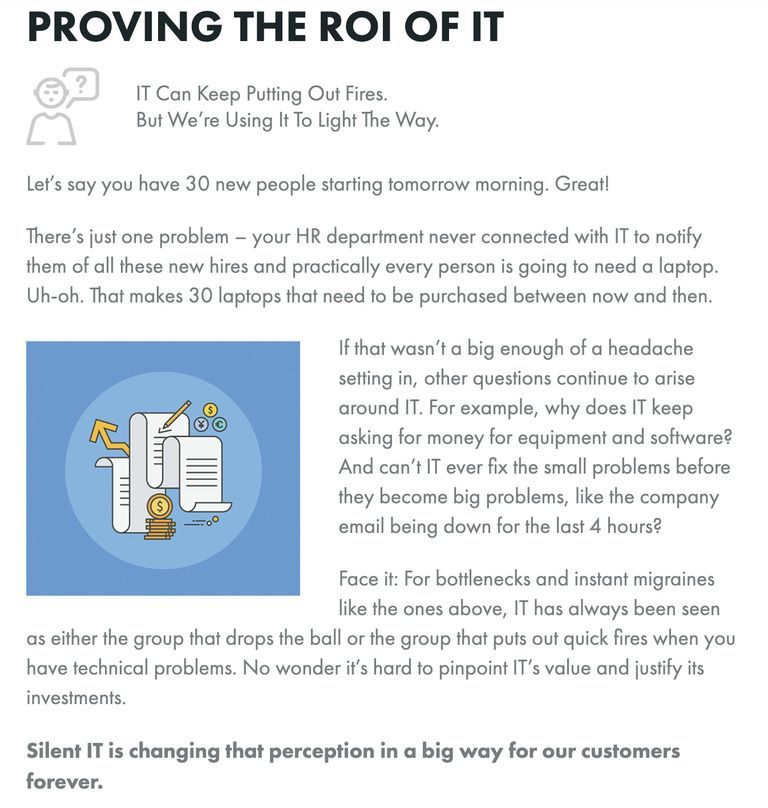
SilentIT isn't your typical IT consulting firm. Rather than waiting for something to break and swooping in to fix it, they've repositioned themselves around issue prevention - helping Fortune 500-caliber companies stay ahead of rapidly changing technology rather than constantly playing catch-up.
Their clients include large professional services organizations, management consulting firms and healthcare technology companies that rely on IT not just to function, but to compete.
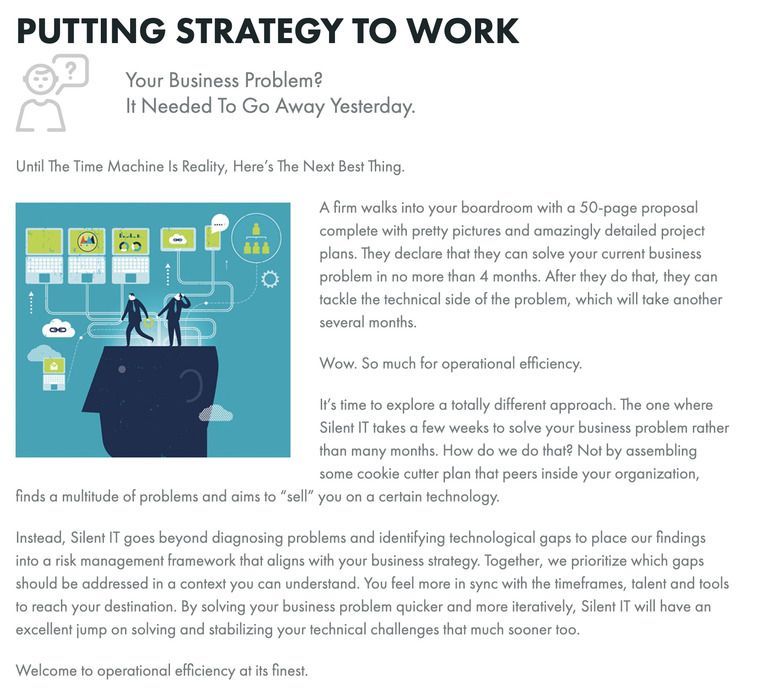
The challenge was translating genuinely complex work - solution architecture, cloud migration, microservices - into language that resonated with the CFOs, COOs and business leaders who felt the pain of IT problems but didn't always speak the language.
That's where we answered the call at Caliber. We built out Silent IT's website and developed a steady stream of blog content designed to do what SilentIT did best: explain hard things clearly.
The goal wasn't to dumb anything down but to connect the technical dots to real business outcomes - the kind of plain-English thinking that helps a CFO understand why a technology investment matters and a CIO make the case for it internally. For a company selling sophisticated services to sophisticated buyers, the content had to earn its place at the table. And it most definitely did.
SAMPLES OF WORK

For procurement executives managing vendor relationships and hiring managers at mid-size and Fortune 500 companies who have an open req costing them every week it sits unfilled, finding the right technical talent isn't just a problem handled by HR. It's a business continuity challenge.
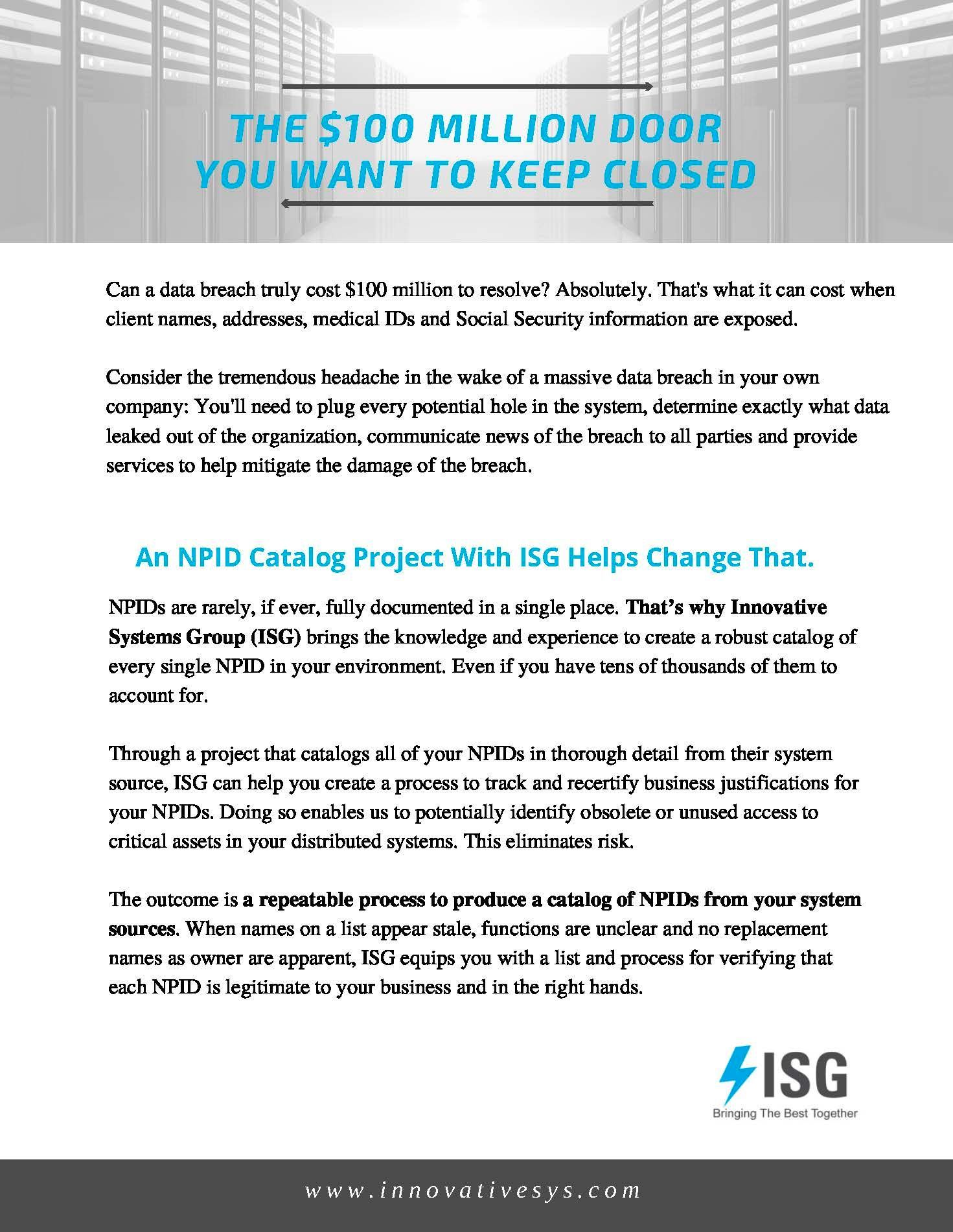
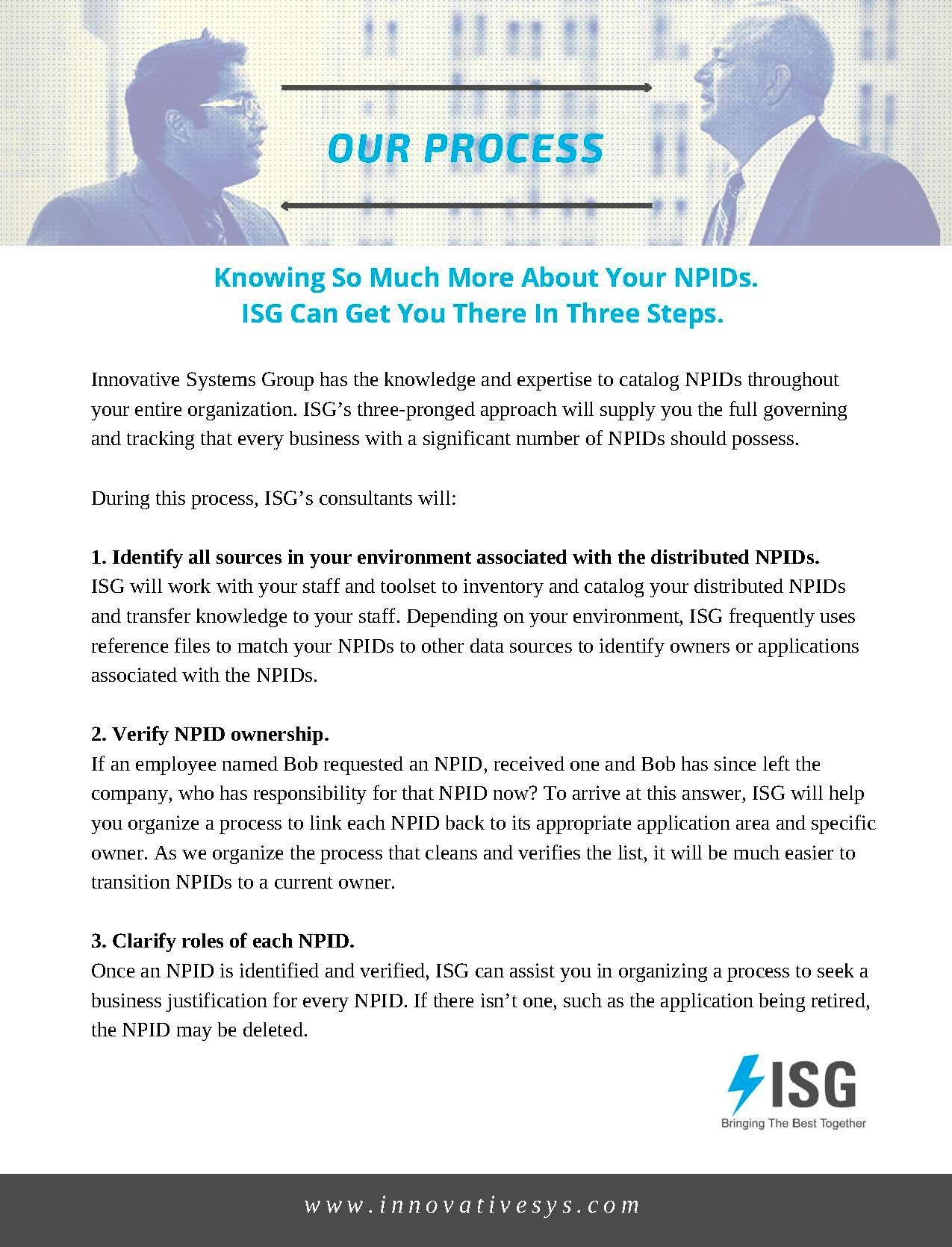
Innovative Systems Group (ISG) is a Chicago-area IT staffing and consulting firm that understands this better than most, connecting companies with the kind of specialized talent that keeps complex operations moving - from Solutions Architects at major financial institutions to Engineering specialists at world-class manufacturers who need someone who can keep pace with new software releases before the old ones become a liability.
The content we created for ISG reframed the conversation away from "we find people" and toward the real value ISG delivers - matching the right expertise to the right challenge at the right time, so their clients focus on running their business instead of hunting for talent.
The story we told for the company's services in onshoring, offshoring and a combination of the two was comprehensive: a full website rewrite, case studies, sales support pieces, presentation materials and ongoing blog content.
SAMPLES OF WORK



B2B tech and SaaS firms need answers from marketing.
Let's get started.
01
Our buyer isn't one person but a whole committee. How do we market to that?
A technical evaluator, an economic buyer and an end user rarely want to hear the same thing. The evaluator may want proof it works. The economic buyer may want to know what it costs them not to act. The end user may want to know their life gets easier.
Content built around a single generic buyer persona ends up satisfying none of them, which is why so much B2B tech content gets forwarded around a company without ever moving a deal forward.
The fix is mapping your content to each seat at the table instead of writing one message and hoping it lands everywhere.
02
We're publishing consistently, but prospects aren't converting into demos or qualified leads. Why?
Almost always it's because the content explains the product instead of the problem.
A prospect scanning a blog post or a case study is asking "is this us?" before they're asking "does this work?" If the content opens with features and specs, that question never gets answered and they move on.
Content that converts starts with the buyer's situation, not the product's capabilities and only gets to the product once the prospect recognizes their own problem in what they're reading.
03
How long will it take before content marketing generates real pipeline?
Plan for seven to twelve months before it becomes a meaningful pipeline source, with the strongest gains compounding after that first year.
That's a hard number to bring to a leadership team that wants results this quarter, but setting that expectation up front avoids the far worse conversation six months in about why the whole program should get cut.
Breaking the work into 90-day milestones gives you something concrete to report before the long-term payoff shows up.
04
What's the best way to speak to both the technical evaluator and the economic buyer in the same piece of content?
Lead with the business outcome, then earn the technical credibility underneath it.
A case study, for example, can open with the result a customer got (time saved, revenue protected, risk avoided) and then walk through the technical "how" for the evaluator who needs proof.
Done well, one piece of content serves both readers instead of forcing you to write two versions and hope the right one reaches the right person.
05
How do we prove marketing's impact on revenue when our sales cycle runs three to six months?
Track influence, not just last-touch credit.
In a long B2B sales cycle, the blog post someone read in month one and the case study they read in month four both mattered, even though only one of them shows up as the "source" in your CRM.
Multi-touch attribution, paired with a shared view of pipeline stage with sales, gives you a much more honest picture of what marketing actually contributed than a single last-click number ever will.